

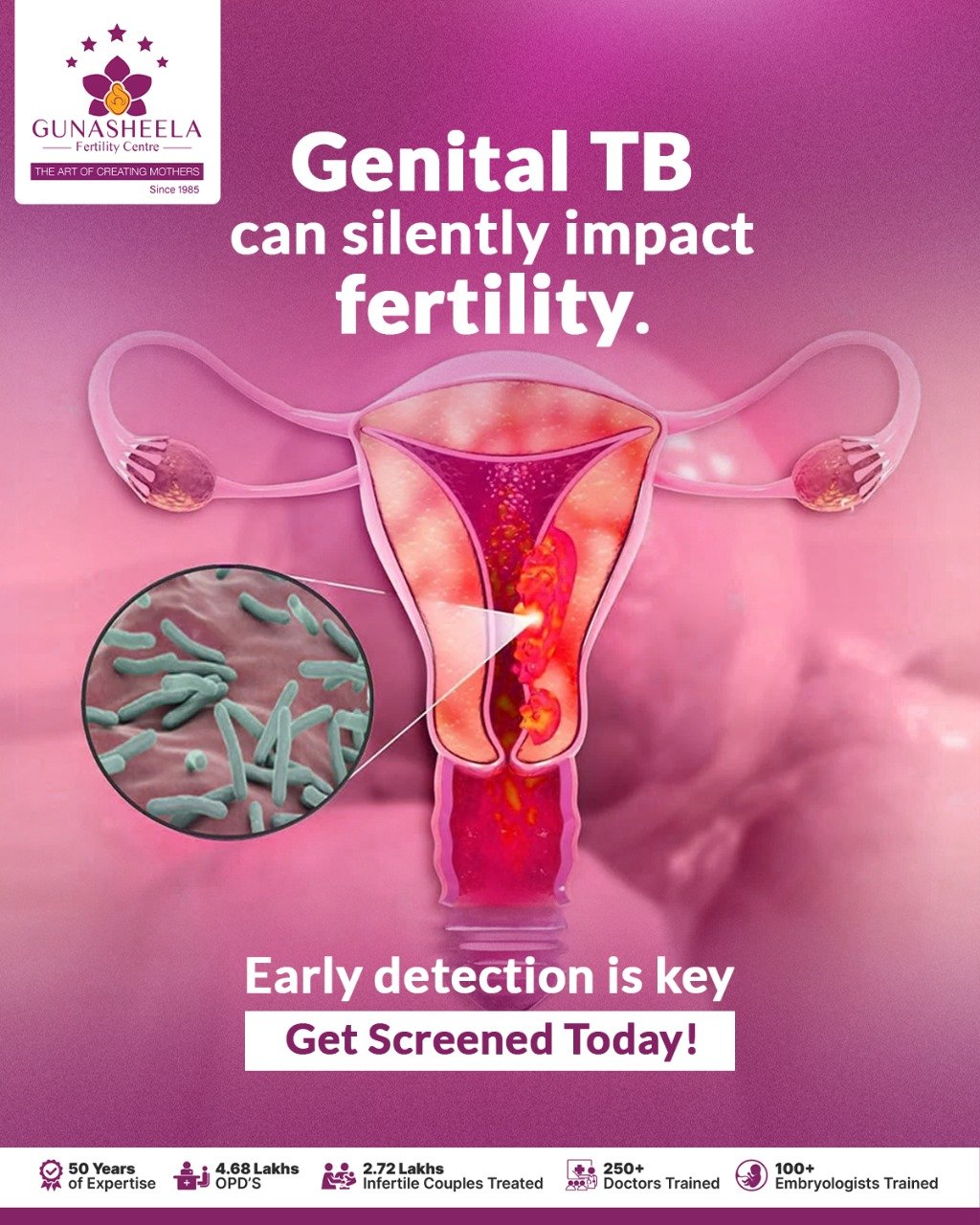
Over 20% of the world’s population is estimated to be infected with tuberculosis, and genital TB can quietly affect your fertility without obvious symptoms. This hidden threat can lead to complications that may impede your ability to conceive. Early detection through screening is vital, as it allows for timely treatment and better outcomes for your reproductive health. Seize control of your fertility journey by getting screened today—your future self will thank you.
Understanding Genital TB
Before exploring into the specifics, it’s necessary to realize that genital TB is a form of tuberculosis that affects the reproductive organs. This condition can go unnoticed for long periods, leading to potential fertility challenges. Hence, understanding the nuances of genital TB is vital for anyone concerned about their reproductive health. Early detection is key – get screened today!
Types of Genital TB
While genital TB is often categorized based on the affected reproductive organs, here’s a brief overview of the types:
| Type | Description |
| Ovarian TB | Affects the ovaries, leading to hormonal imbalances. |
| Fallopian Tubal TB | Impacts the fallopian tubes, significantly lowering fertility. |
| Uterine TB | Involves the uterus, potentially causing complications in pregnancy. |
| Male Genital TB | Affects testes and epididymis, impacting sperm production. |
| Extrapulmonary TB | Genital involvement without lung symptoms, often diagnosed late. |
Recognizing the type of genital TB you might be facing can significantly influence treatment options and outcomes.
Factors Contributing to Fertility Issues
Issues related to genital TB can be exacerbated by various factors, including:
- Chronic infections can lead to pelvic inflammatory disease.
- Scarring from immune responses can block reproductive tracts.
- Hormonal alterations can disrupt ovulation or sperm production.
- Co-existing conditions may complicate fertility assessments.
- Delayed diagnosis often results in more significant fertility challenges.
Assume that these factors make early screening and intervention even more necessary for maintaining your reproductive health.
Plus, it’s crucial to understand the wider implications of these fertility issues. The factors listed above can contribute to significant emotional and physical distress:
- Psychological effects of infertility may lead to stress and anxiety.
- Financial burdens arise from prolonged treatment and interventions.
- Social pressures can increase feelings of isolation or inadequacy.
- Health deterioration occurs without proper management.
- Long-term effects on relationships may arise due to fertility challenges.
Assume that vigilance and proactive measures can significantly alter your reproductive journey.
Importance of Early Detection
If you suspect that you might be at risk for genital tuberculosis, early detection is important for preserving your fertility. This condition often develops silently, leading to severe reproductive issues if left untreated. By seeking screening sooner rather than later, you can significantly improve your chances of treatment success and minimize any long-term effects on your reproductive health.
Screening Methods
Detection of genital tuberculosis typically involves a combination of methods, including comprehensive medical history evaluations, blood tests, imaging studies like ultrasounds, and sometimes laparoscopy for direct observation. These screening techniques help in identifying the presence of the disease even before symptoms arise, allowing for timely intervention.
Tips for Monitoring Symptoms
Little awareness about the subtle signs of genital TB can lead to difficulties in diagnosis. It’s vital that you monitor your body for any unusual symptoms. Consider the following signs that might indicate a problem:
- Unexplained pelvic pain
- Irregular menstrual cycles
- Pain during intercourse
- Unusual vaginal discharge
Assume that these symptoms warrant a medical evaluation, as they can be early indicators of underlying issues.
Another key aspect of monitoring your health is the regular assessment of your well-being. It’s important to stay educated about your reproductive health and to be proactive in recognizing any changes in your body’s function. Make it a habit to:
- Keep a symptom diary
- Schedule regular gynaecological check-ups at gunasheela best Ivf center in banagalore
- Discuss concerns with your healthcare provider
- Stay informed on reproductive health issues
Assume that taking these steps can dramatically enhance your awareness and early detection of potential diseases like genital tuberculosis.
Step-by-Step Guide to Getting Screened
It is crucial to understand the steps involved in getting screened for genital TB to ensure your fertility is not silently affected. The following table outlines the process:
| Step | Description |
| 1. Schedule an Appointment | Contact your healthcare provider to set up a screening. |
| 2. Prepare for the Visit | Gather necessary medical history and symptoms to discuss. |
| 3. Undergo Testing | Follow through with tests as recommended by your provider. |
| 4. Discuss Results | Review your test outcomes and next steps with your healthcare provider. |
Preparing for Your Appointment
Some preparation can enhance your screening experience. Compile your medical history, including any previous infections, treatments, and current symptoms. Additionally, consider writing down any questions you might have to discuss with your healthcare provider. Being prepared will help facilitate a thorough assessment of your health.
Post-Screening: What to Expect
What happens after your screening can impact your next steps. You will receive results within a specified timeframe, typically between a few days to a week, depending on the tests performed. If results are positive, discuss treatment options with your provider to address any health risks associated with genital TB.
Preparing for your results can be an anxiety-inducing process. Positive results may require urgent attention, as genital TB can affect your fertility. If diagnosed, your healthcare provider will outline a treatment plan that aims to preserve your reproductive health. Depending on your individual case, you will learn about the best management strategies during follow-up appointments, ensuring you remain informed and supported through your journey to recovery.
Pros and Cons of Screening for Genital TB
Keep in mind, screening for genital TB presents various advantages and disadvantages.
| Pros | Cons |
| Early detection can prevent fertility issues. | Screening may result in false positives. |
| Timely treatment options are available. | Financial costs may be a concern. |
| Reduces the spread of infection. | Requires medical consultations and tests. |
| Increases awareness of reproductive health. | Potential psychological stress from the diagnosis. |
| Improves overall health outcomes. | May not be accessible in all areas. |
Benefits of Early Diagnosis
If you detect genital TB early, you can significantly reduce the risk of long-term complications related to fertility. By addressing the infection promptly, appropriate treatments can be initiated, which may preserve your reproductive health and prevent complications that can arise from untreated TB. Moreover, early diagnosis fosters informed discussions with your healthcare provider about your overall health and family planning.
Possible Drawbacks
There’s a chance that screening for genital TB could have some downsides. While the screening process is imperative, it may lead to unnecessary anxiety or stress if the results are inconclusive. Furthermore, false positives might occur, causing increased medical intervention that may not be needed.
Plus, if you receive a false positive for genital TB, you might undergo additional tests and treatments that could have been avoided, leading to unnecessary emotional and financial strain. The potential for psychological distress can’t be overlooked, particularly if you are dealing with a diagnosis that threatens your fertility. Understanding these possible drawbacks is vital so you can make informed decisions regarding your health and well-being.
Treatment Options
All individuals diagnosed with genital TB should seek appropriate treatment to safeguard their fertility and overall health. Medical interventions typically involve a regimen of anti-tubercular medications, which are effective in eradicating the bacteria causing the infection. Early detection plays a significant role in the success of these treatments, often leading to better fertility outcomes. It is crucial to consult a healthcare professional for an accurate diagnosis and tailored treatment plan.
Medical Interventions
Treatment for genital TB primarily includes a combination of antibiotics specifically designed to combat TB. This typically involves a 6 to 9-month course of medications such as isoniazid, rifampicin, ethambutol, and pyrazinamide. Adhering to this treatment plan under medical supervision significantly improves your chances of recovering and preserving your fertility.
Lifestyle Adjustments
You can further enhance your treatment success by embracing certain lifestyle adjustments. Maintaining a balanced diet rich in nutrients, managing stress, and engaging in regular physical activity can boost your immune system and overall well-being. Adequate rest and hydration are also important. Avoiding smoking and excessive alcohol consumption contributes positively to your health and can facilitate the healing process.
It’s important to recognize that lifestyle adjustments play a significant role in your recovery. Incorporating a diet filled with fruits, vegetables, and whole grains not only provides crucial nutrients but also enhances your immune function. Aim for at least 30 minutes of moderate exercise most days, as physical activity can help alleviate stress and promote your overall health. Additionally, managing emotional well-being through practices like meditation or yoga can provide benefits during your treatment journey. Making these changes not only supports your recovery from genital TB but also fosters a healthier future for you and your reproductive health.
Support and Resources
Unlike many health issues, genital TB often goes unnoticed until it significantly impacts your fertility. To combat this silent threat, it’s important to be aware of the resources available for your support and well-being. Early detection can be lifesaving, so do not hesitate to seek the screening options that can help safeguard your reproductive health.
Finding Help
Support is readily available when you reach out to healthcare professionals who specialize in reproductive health. They can guide you through testing and treatment options tailored to your situation. Additionally, consider consulting online health platforms that offer valuable information about genital TB and its effects on fertility.
Support Groups and Communities
One way to build resilience during your journey is by connecting with support groups and communities. These spaces provide you with opportunities to share experiences and gain insights from others facing similar challenges.
Resources such as online forums and local support groups can be transformative. They allow you to engage with others who understand the emotional and physical ramifications of genital TB. Many members share personal stories that can inspire you and provide valuable coping strategies. Furthermore, some communities organize events to raise awareness about genital TB, reminding you that you are not alone in this struggle. Engaging with these groups can significantly enhance your emotional wellbeing and provide you with a sense of belonging as you navigate your path to recovery.
To wrap up
Conclusively, being aware that genital TB can quietly affect your fertility underscores the importance of early detection. You should consider screening as a proactive measure to safeguard your reproductive health. Timely diagnosis can lead to effective treatment options, allowing you to make informed decisions about your future health and family planning. Don’t wait; prioritize your well-being and take the first step by getting screened today.
FAQ
Q: What is genital tuberculosis and how does it affect fertility?
A: Genital tuberculosis (GTB) is a form of tuberculosis that affects the reproductive organs, including the uterus, fallopian tubes, and ovaries in women, and the epididymis and testicles in men. It can lead to scarring and blockages in the reproductive tract, which can interfere with the natural conception process. Many individuals with genital TB may not show symptoms, allowing the condition to progress without detection and potentially resulting in infertility.
Q: Who should consider getting screened for genital TB?
A: Anyone who is experiencing difficulties with fertility, particularly those who have a history of tuberculosis or have been exposed to individuals with the disease should consider screening for genital TB. Additionally, individuals from regions where tuberculosis is prevalent or those with symptoms suggestive of genital TB, such as chronic pelvic pain, menstrual irregularities, or unexplained infertility, should seek evaluation and testing.
Q: What screening methods are available for genital tuberculosis?
A: Screening for genital TB typically involves a combination of medical history review, physical examination, and specific tests. Common tests include a tuberculin skin test or IGRA (Interferon-Gamma Release Assay) blood tests to detect TB infection. If test results indicate a risk of genital TB, imaging studies like ultrasound or MRI may be used to visualize possible abnormalities in reproductive organs. In some cases, a laparoscopy may be performed to obtain definitive diagnosis through direct inspection and biopsy.