
GI Endoscopy

Toll Free

1-800-425-0524

Contact us on our toll free number

Book Your Appointment

Our Understanding

GI Endoscopy

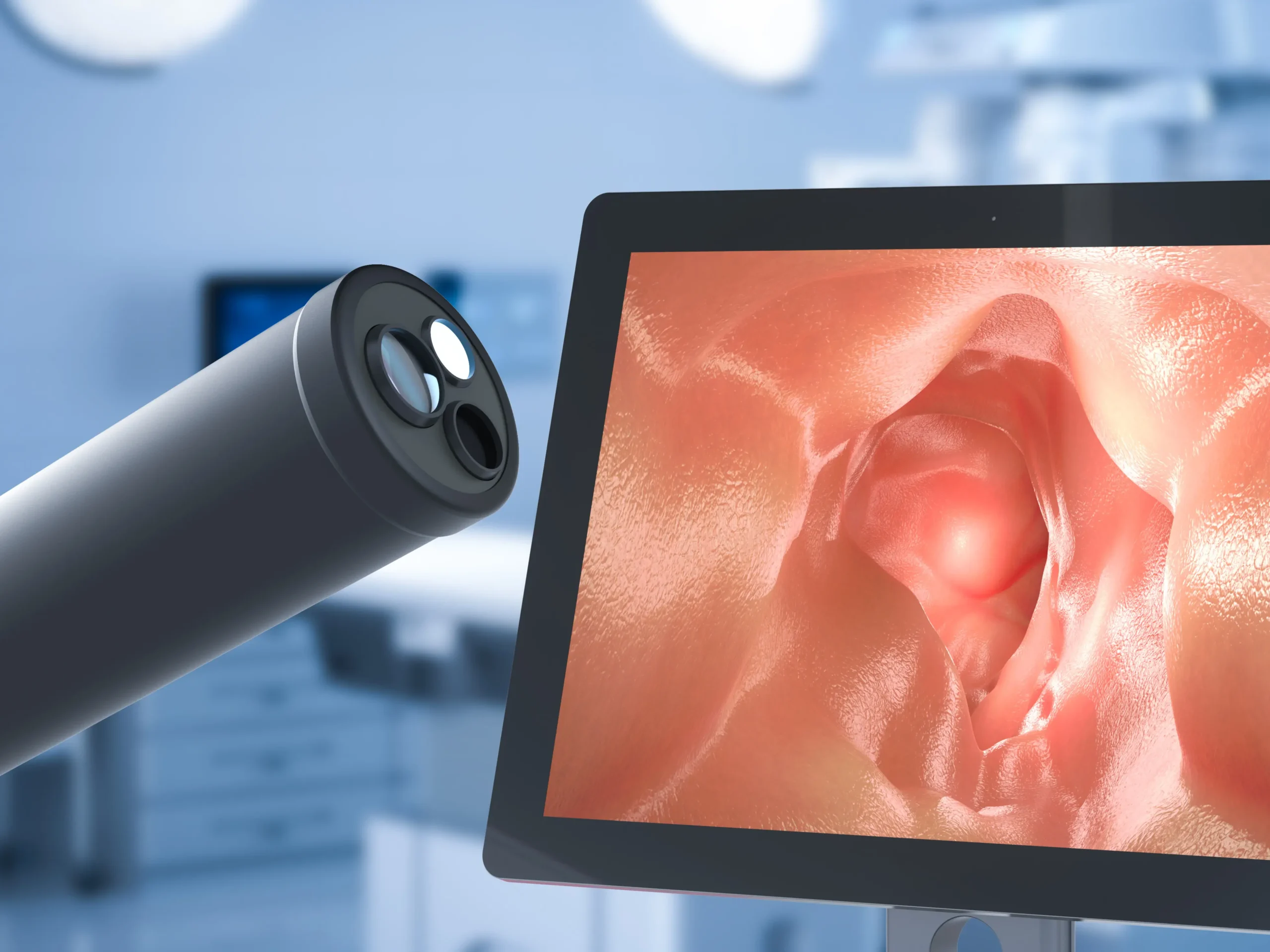
Gastrointestinal (GI) Endoscopy is a state-of-the-art medical procedure that allows for the visual examination of the digestive tract using a flexible, lighted tube known as an endoscope. This procedure is instrumental in diagnosing and treating various GI conditions, such as ulcers, polyps, inflammation, and even early-stage cancers. GI Endoscopy plays a pivotal role in preserving digestive health and enhancing overall well-being.

Why Choose Gunasheela

for GI Endoscopy?

Gunasheela is a name synonymous with excellence in healthcare, and our commitment to providing top-notch GI Endoscopy services is no exception. With cutting-edge technology and a team of experienced gastroenterologists and nurses, we are the preferred choice for your GI Endoscopy needs. Your health, comfort, and peace of mind are our top priorities throughout your GI Endoscopy journey.
Highlights of

Gunasheela’s GI Endoscopy

Comprehensive Digestive Health Assessment

Our GI Endoscopy services encompass a wide range of procedures, including upper endoscopy and colonoscopy, to diagnose and treat various GI disorders.

Patient Comfort

We prioritize your comfort and well-being throughout the procedure, making it as stress-free as possible.

Advanced Endoscopic Technology

We employ the latest endoscopic equipment and techniques to ensure precise and reliable results.

Safe and Sterile Environment

We adhere to stringent infection control protocols to ensure patient safety.

Minimally Invasive Approach

GI Endoscopy involves small, painless incisions, reducing discomfort and expediting recovery.

Prompt and Accurate Results

Our efficient procedures and advanced technology guarantee timely and accurate diagnoses.

Early Detection of GI Conditions

Our procedures can identify issues such as ulcers, polyps, inflammation, and early-stage cancers, enabling early intervention.

Personalized Care

Each patient receives personalized treatment plans tailored to their specific GI condition.

Expert Gastroenterologists

Our board-certified gastroenterologists specialize in GI Endoscopy and possess extensive experience in the field.

Comprehensive Support

Our compassionate support staff is available to guide you through every aspect of your GI Endoscopy journey, from scheduling to post-procedure care.
Our Phenomenally Successful Treatment

History for ICSI

2018
53.1%
2019
55.4%
2020
56.2%
2021
45.7%
2022
45%
2023
50%
TOP RATED REVIEWS

Our Client Testimonials

Ask your doubts

Frequently Asked Question

GI endoscopy is a procedure that allows doctors to view the inside of the gastrointestinal (GI) tract, including the esophagus, stomach, and duodenum, using a flexible tube equipped with a light and camera known as an endoscope.
It’s performed to diagnose, and sometimes treat, conditions affecting the GI tract, such as ulcers, inflammation, polyps, tumors, and sources of bleeding. It can also be used to take biopsies or remove foreign objects.
Preparation typically involves fasting for 8 to 12 hours before the procedure to ensure an empty stomach. Specific instructions may be given regarding medications and adjustments for those with diabetes or heart, lung, or kidney conditions.
The procedure is usually not painful, as sedatives and local anesthetics are often used to ensure comfort. Patients might experience mild discomfort or a sensation of fullness due to the air introduced into the GI tract during the examination.
The procedure typically lasts between 15 to 30 minutes, depending on what needs to be examined or treated.
While generally safe, risks can include reactions to anesthesia, bleeding from biopsy sites or treatment of conditions, and very rarely, perforation (a hole) in the GI tract wall.
Yes, GI endoscopy can detect cancerous growths within the GI tract. It allows for biopsy of suspicious areas to determine the presence of cancer cells.
Recovery involves a short period of rest until the effects of sedatives wear off. Patients may feel bloated or have a sore throat but can usually resume normal activities and diet unless instructed otherwise.
Yes, due to the sedatives used, you’ll need someone to accompany you home and ideally stay with you for a few hours post-procedure.
Preliminary results can often be discussed immediately after the procedure, but biopsy results may take a few days. A follow-up appointment is usually scheduled to discuss findings and next steps.
Yes, in addition to diagnosing conditions, endoscopy can treat problems such as removing polyps, stopping bleeding, and widening narrowed areas of the GI tract.
Yes, common types include gastroscopy (upper GI endoscopy), colonoscopy (lower GI tract), and sigmoidoscopy (lower colon and rectum), each targeting different parts of the GI tract for specific indications.

The Gunasheela Edge in GI Endoscopy

At Gunasheela, we are committed to delivering the highest level of care to patients seeking GI Endoscopy services. Our cutting-edge facilities, advanced endoscopic technology, and a team of skilled gastroenterologists set us apart. We understand the significance of early detection and treatment in digestive health and offer a patient-centric approach to your GI Endoscopy experience. Our commitment to providing comprehensive GI assessments, paired with expert guidance from our gastroenterologists, ensures that you receive the most accurate diagnosis and effective treatment plan. With Gunasheela, you can confidently address your GI concerns, knowing that you are in capable hands in a compassionate and patient-focused environment.