






Knowledge & Insights
The Gunasheela Blog
Expert-written guidance on fertility, IVF, pregnancy & reproductive health — from the specialists at Gunasheela.
Pregnancy in your 40s is possible, naturally or with treatment such as IVF. This article explains the chances, the risks and when to seek help.
If you’re struggling with depression or are experiencing difficulties coping with infertility, then don’t feel isolated. In fact, it can be very helpful to talk to other people about your condition.
Age affects a woman's ability to conceive and have a healthy baby. It is the single most important factor in female fertility.
Male infertility is a condition in which a man has a decreased ability to cause a pregnancy. It is estimated that male infertility affects approximately 7% of all men.
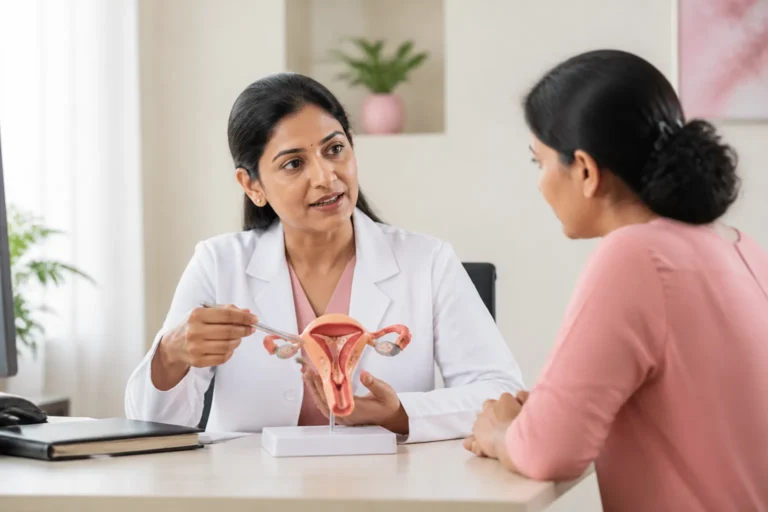
Can conditions affecting the uterus (womb) cause infertility? Yes. Various type of problems of the uterus can cause infertility or repeated abortions. Uterus or the womb is where the embryo (fertilized egg) implants and grows into a baby.
Infertility is the inability to conceive after 12 months of regular unprotected intercourse. This article explains its causes, diagnosis and treatment options.
What endometriosis is, its symptoms, how it can affect fertility, how it is diagnosed and the treatment options.
It’s no secret that, in women above 35, not only the production of eggs decline but also the quality of the eggs deteriorate. This may lower chances of pregnancy both naturally or through IVF.
In the growing world of Assisted Reproductive Technology (ART), you may lose track of the advancements happening. IVF is a Go-to fertility treatment infertile couples opt for.